Source sneaker wipes for shoes bags and car seats
Compare 30 sneaker wipes from verified Chinese suppliers offering OEM branding and eco-friendly options. Buyers can evaluate specifications like sheet size, material, and minimum order quantities for cleaning shoes, bags, and car seats.
Key considerations
Products List











Comprehensive Sourcing Guide
Strategic Sourcing Guide for Sneaker Wipes in the B2B Market
Understanding Product Specifications and Variability
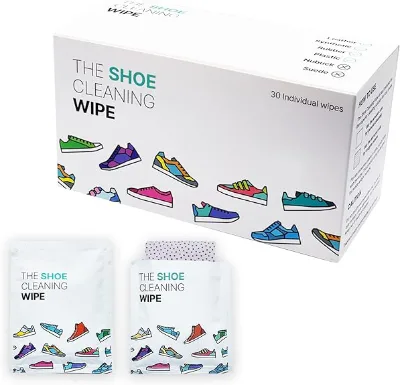
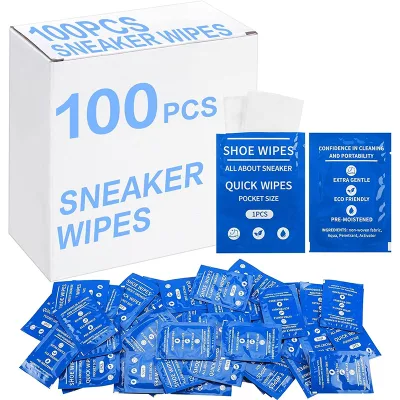
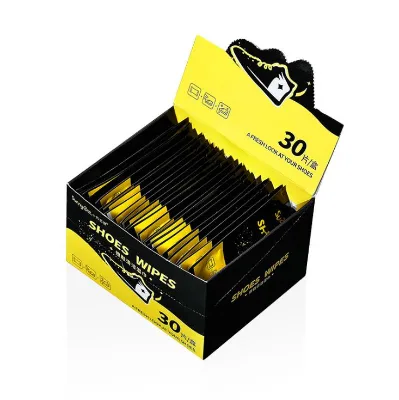
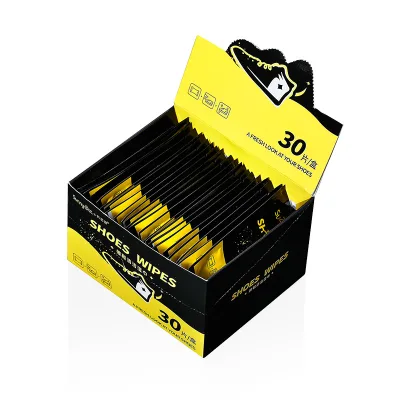
When sourcing sneaker wipes, buyers must first navigate a landscape of diverse technical specifications that define the utility and performance of the product. The market does not offer a monolithic solution; rather, it presents a spectrum of configurations tailored to different cleaning needs. A primary observation in the current supply base is the variation in sheet dimensions. Some manufacturers offer compact units measuring 15 by 20 centimeters, while others provide smaller formats around 6 by 8 centimeters or 18 by 8.5 by 10.5 centimeters for the single package. These dimensional differences directly impact the surface area available for cleaning and the volume of product dispensed per wipe.
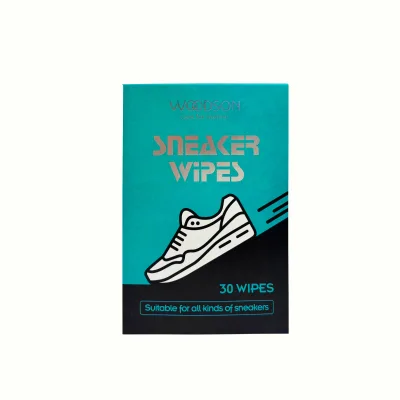
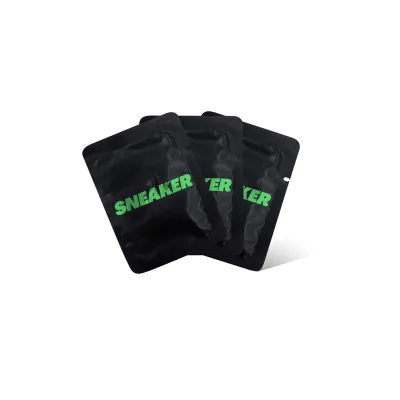
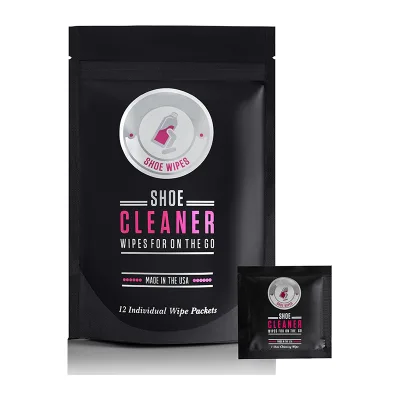
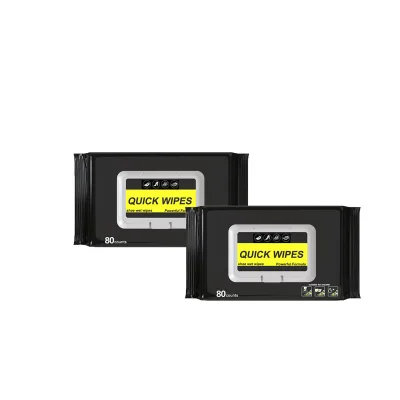
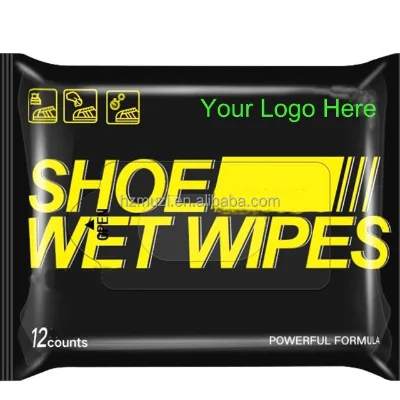
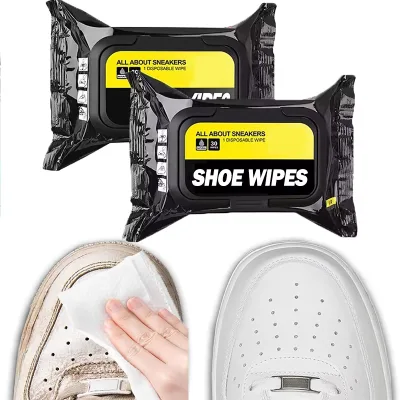
Material composition is another critical specification that dictates the cleaning mechanism. The predominant material observed in this category is non-woven fabric, chosen for its durability and ability to hold cleaning solutions without disintegrating during use. The physical form factor also varies significantly; while some products are sold as single items with a count of 20 per pack, others are packaged in larger volumes, such as 30 packs per box. The single gross weight of these packages can range from 0.100 kg to 0.500 kg, a factor that influences shipping costs and logistics planning. Furthermore, the color of the wipes is not merely aesthetic but often functional, with options including black, beige, yellow, green, and white. The application scope also expands beyond footwear; while some products are strictly labeled for sneaker sports shoes, others are marketed for a broader application including bags, sofa, and car seats.
Compliance, Certification, and Safety Standards
In the B2B sector, particularly for products that come into contact with consumer goods and potentially skin, verifying compliance and certification is non-negotiable. Buyers must rigorously audit the documentation provided by potential suppliers to ensure that the sneaker wipes meet international safety and quality standards. The supply chain data indicates that certain products carry specific certifications, such as ISO and MSDS (Material Safety Data Sheet). These documents are essential for confirming that the chemical composition of the wipes is safe for the intended use and that the manufacturing process adheres to recognized quality management systems.
While some background information may suggest the existence of FSC (Forest Stewardship Council) certification, this should be treated with caution and verified on a per-supplier basis rather than assumed as a standard industry attribute. The presence of an ISO or MSDS certificate is a strong indicator of a supplier's commitment to safety, but it does not guarantee that every batch produced will maintain the same standard without ongoing quality control. Buyers should request copies of these certificates for the specific model numbers they intend to purchase, such as CC-C-40 or JJ-119, to ensure that the certification applies to the exact product variant. Additionally, the feature of being "Eco-friendly" is a common claim; however, without specific third-party verification data, this remains a marketing assertion that requires validation through the supplier's technical data sheets.
Cost Drivers and Pricing Dynamics
The pricing structure for sneaker wipes is heavily influenced by order volume, packaging complexity, and customization requirements. The observed market data reveals a wide disparity in Minimum Order Quantities (MOQ), ranging from 1,000 boxes to as high as 200,000 bags. This variance creates a tiered cost structure where smaller buyers may face higher unit costs due to the inability to leverage economies of scale, while large-volume purchasers can negotiate significantly lower prices. The unit price in the current market has been observed to range between $0.01 and $4.30, a span that reflects differences in material quality, branding, and packaging sophistication.
Packaging is a significant cost driver. Products sold in single boxes with specific dimensions, such as 10x10x8 cm or 18x8.5x10.5 cm, incur different packaging costs compared to bulk bagged items. The inclusion of OEM logos and custom branding adds another layer of cost, as it requires setup fees and potentially longer lead times. Furthermore, the "Selling Units" configuration matters; whether the product is sold as a single item or in bulk packs affects the final landed cost. Buyers must also consider the "Single gross weight" of the product, as heavier packages increase freight expenses. A product weighing 0.500 kg per unit will have a different shipping profile than one weighing 0.100 kg, impacting the total cost of goods sold (COGS) for international shipments.
Typical Applications and Use Cases
The versatility of sneaker wipes is a key selling point that expands their market potential beyond just footwear maintenance. While the core keyword is "sneaker wipes," the actual applications observed in the supply base are broader. Many products are explicitly designed for "Quick Clean Shoes," targeting the fast-paced needs of consumers who require immediate stain removal. However, the functional scope often extends to general household cleaning. Some listings specify applications for bags, sofa, and car seats, positioning these wipes as multi-surface cleaning tools rather than single-use shoe care products.
The target demographic also varies, with some products marketed specifically for men, while others are labeled for "Men and women" or "all" genders. This demographic flexibility allows buyers to target a wider audience. The feature set further defines the application; for instance, "Dry shoe cleaning" wipes are designed for dust and loose dirt removal without the need for water, whereas "Sneaker wet wipe" formulations are intended for deeper cleaning of stains. The "Clean ing" function is a broad descriptor that encompasses various cleaning intensities. Understanding these specific use cases is vital for buyers to match the product to their end-user needs. A retailer focusing on automotive accessories would prioritize wipes with applications for car seats, while a sports gear retailer would focus on the "Sneaker Sport Shoe" application.
Supplier Evaluation and Operational Capabilities
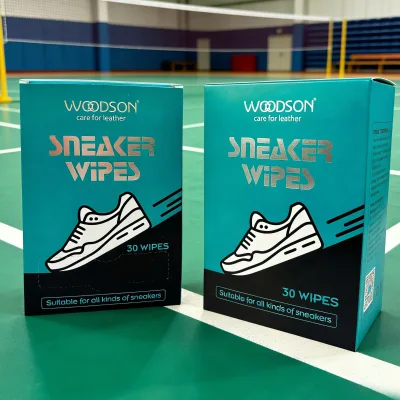
Evaluating a supplier for sneaker wipes requires a deep dive into their operational capabilities, including production capacity, location, and flexibility. The supply chain data indicates that manufacturers are primarily located in China, with specific hubs in Zhejiang and Guangdong provinces. These regions are known for their textile and non-woven manufacturing expertise, but buyers should verify the specific factory capabilities for their chosen model numbers. The "Brand Name" field often shows "CC/OEM" or specific names like "Woodson" and "Melly," indicating a mix of private label and OEM opportunities.
A critical factor in supplier selection is the flexibility regarding customization. Most suppliers in this category "Warmly Welcomed" OEM and ODM requests, allowing buyers to customize the logo, packaging, and even the formulation of the wipes. However, this customization often comes with specific MOQ requirements. For example, one supplier may require 50,000 bags for a custom order, while another might accept 1,000 boxes. The "Delivery time" is another operational metric that varies, with observed ranges of 20 to 25 days. Buyers must align their inventory planning with these lead times to avoid stockouts. Additionally, the availability of samples is a crucial step in the evaluation process; suppliers that "Provide" samples allow buyers to test the product quality before committing to a large order.
Quality Control and Long-Term Procurement Strategy
Implementing a robust quality control (QC) strategy is essential for maintaining brand reputation when sourcing sneaker wipes. Given the variability in product attributes, such as sheet size, color, and material, buyers should establish clear acceptance criteria before production begins. The "Shelf Life" of the product is a critical parameter, with observed data suggesting a standard of 24 months. Ensuring that the wipes remain effective and do not dry out or degrade within this period is paramount. Buyers should verify that the packaging is airtight and designed to preserve the moisture content of the wipes throughout the shelf life.
Long-term procurement considerations involve building a relationship with suppliers who can scale with demand. The wide range of MOQs, from 1,000 to 200,000 units, suggests that suppliers can accommodate both pilot runs and mass production. However, consistency in quality across batches is a common challenge in the non-woven industry. Buyers should implement a sampling protocol for every new batch, checking for consistency in the "Single package size," "Model Number," and "Color." Furthermore, the "Feature" of the product, such as being "Eco-friendly" or providing "Dry shoe cleaning," must be consistently delivered. If a supplier claims eco-friendly attributes, buyers should request evidence of the materials used and the manufacturing process to ensure these claims are substantiated.
Comparative Analysis of Product Attributes
To facilitate decision-making, buyers should compare the key attributes of different product options available in the market. The following table summarizes the observed variations in specifications, helping to highlight the trade-offs between different product lines.
| Attribute | Option A (Compact) | Option B (Standard) | Option C (Bulk/Custom) |
|---|---|---|---|
| Model Number | JJ-119 | CC-C-40 | JJ-019 |
| Sheet Size | 6*8 cm | 15*20 cm | 188.510.5 cm (Package) |
| Material | Non-Woven | Non-Woven | Non-Woven |
| MOQ | 1000 boxes | 50000 bags | 10000 pcs |
| Packaging | Box | Bag | Box |
| Application | Sneaker Sport Shoe | Clean ing | Shoes, Bags, Sofa |
| Color | Green | Black, Beige, Yellow | White |
| Shelf Life | 24 months | 24 months | 24 months |
| Origin | Guangdong, China | Zhejiang, China | Guangdong, China |
| Weight | 0.500 kg | 0.100 kg | 0.500 kg |
This comparison illustrates that while the core material and shelf life remain consistent, the physical dimensions, packaging, and MOQ requirements vary significantly. Option A offers a lower entry barrier with a 1,000-box MOQ but is limited to a specific sport shoe application. Option B requires a much higher volume commitment but offers a larger sheet size and multiple color options. Option C provides a broader application scope, suitable for multi-surface cleaning, but requires a moderate MOQ. Buyers must weigh these factors against their specific market needs and logistical capabilities.
Final Procurement Considerations
In conclusion, sourcing sneaker wipes requires a balanced approach that considers technical specifications, compliance, cost, and supplier reliability. The market offers a wide array of options, from compact, single-use wipes to larger, multi-surface cleaning solutions. Buyers must carefully verify certifications like ISO and MSDS, ensure that the shelf life and packaging meet their distribution requirements, and negotiate MOQs that align with their inventory strategy. By focusing on these evidence-based factors and avoiding assumptions about unverified claims, buyers can build a resilient supply chain for sneaker wipes that delivers consistent quality and value to their customers. The diversity in product attributes allows for strategic segmentation, enabling buyers to target specific niches within the broader cleaning and footwear care market.
FAQs
What certifications do sneaker wipes typically have?
Some sneaker wipes carry ISO and MSDS certifications to confirm safety and quality standards. Buyers should request these documents for specific model numbers like CC-C-40 or JJ-119 to ensure the chemical composition is safe for intended use.
How long is the shelf life of these cleaning wipes?
The standard shelf life for these sneaker wipes is 24 months. This duration ensures the wipes remain effective and do not dry out, provided they are stored in airtight packaging that preserves moisture content throughout the period.
Which sheet sizes are available for sneaker cleaning wipes?
Available sheet sizes vary significantly, including 15 by 20 centimeters, 6 by 8 centimeters, and package dimensions of 18 by 8.5 by 10.5 centimeters. These dimensional differences directly impact the surface area available for cleaning and the volume of product dispensed per wipe.
Can I customize the logo on the sneaker wipes?
Yes, most suppliers warmly welcome OEM and ODM requests to customize the logo and packaging. However, this customization often requires specific Minimum Order Quantities, such as 50,000 bags or 1,000 boxes, depending on the manufacturer's capacity.
What is the typical delivery time for bulk orders?
The typical delivery time for bulk orders ranges from 20 to 25 days. Buyers must align their inventory planning with these lead times to avoid stockouts, especially when sourcing from manufacturers located in Zhejiang or Guangdong provinces in China.
How does the MOQ vary for different sneaker wipe models?
Minimum Order Quantities vary widely, ranging from 1,000 boxes to as high as 200,000 bags depending on the supplier. Smaller buyers may face higher unit costs due to the inability to leverage economies of scale compared to large-volume purchasers.
What materials are used to make these cleaning wipes?
The predominant material used is non-woven fabric, chosen for its durability and ability to hold cleaning solutions. This material ensures the wipes do not disintegrate during use while providing the necessary surface area for effective stain removal on shoes and other surfaces.